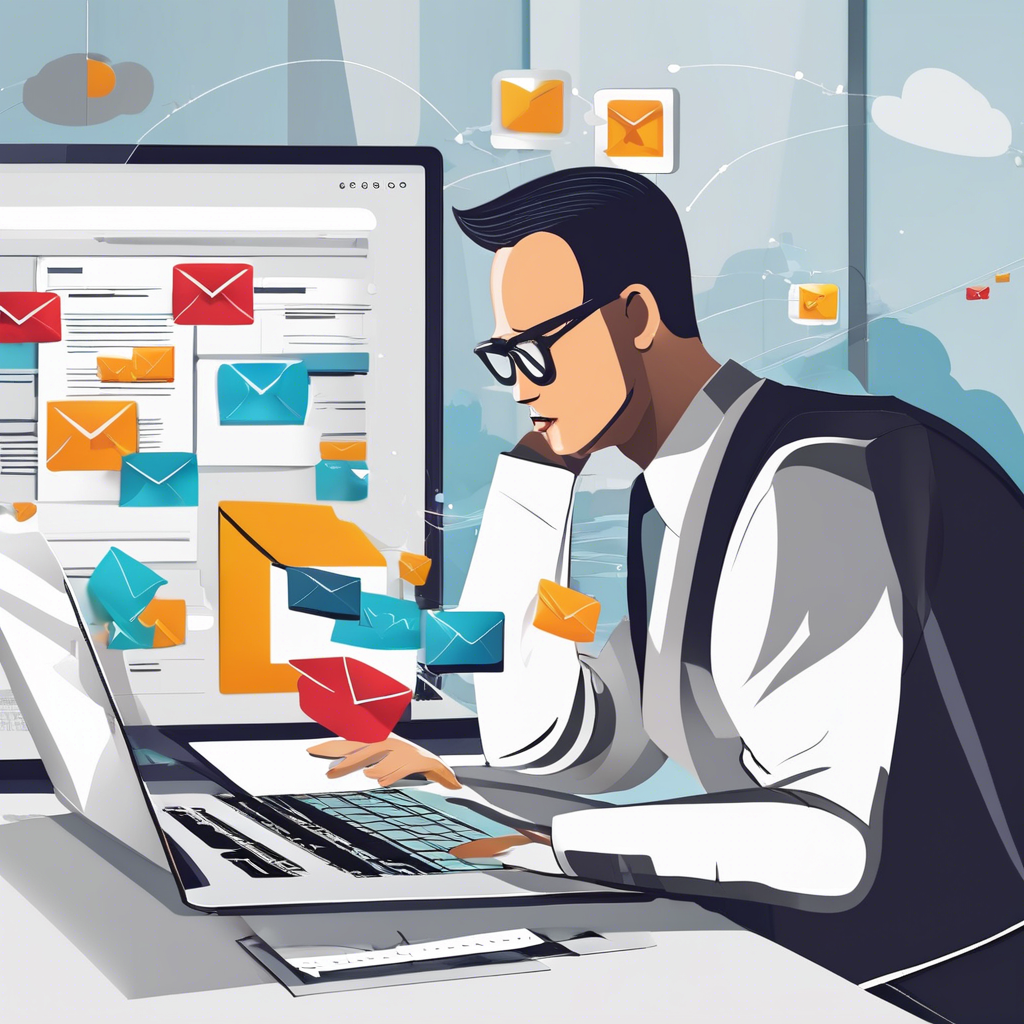
Customer Relationship Management (CRM) with email automation has revolutionized how businesses interact with their customers in the digital age. CRM software allows companies to manage and analyze customer interactions throughout the customer lifecycle, while email automation streamlines the process of sending targeted and personalized emails to customers. This powerful combination of technology has become essential for businesses looking to enhance their customer relationships and drive sales.
CRM with email automation enables businesses to centralize customer data, interactions, and communication in one platform. By storing customer information such as contact details, purchase history, and preferences, businesses can create a comprehensive view of each customer. This holistic approach allows companies to tailor their marketing and communication efforts to better meet the needs and expectations of individual customers, ultimately leading to increased customer satisfaction and loyalty.
One of the key benefits of CRM with email automation is the ability to segment customers based on various criteria such as demographics, behavior, and purchase history. This segmentation allows businesses to send targeted and relevant emails to different customer groups, increasing the likelihood of engagement and conversion. By delivering personalized content and offers, businesses can create a more meaningful and impactful relationship with their customers, driving loyalty and repeat business.
In addition to segmentation, CRM with email automation also enables businesses to automate email campaigns based on predefined triggers and workflows. This automation saves time and resources by eliminating the need for manual intervention in sending emails. Businesses can set up automated campaigns for various customer actions such as sign-ups, purchases, or abandoned carts, ensuring timely and relevant communication with customers at every stage of their journey.
Furthermore, CRM with email automation provides valuable insights and analytics that help businesses measure the effectiveness of their email campaigns. By tracking metrics such as open rates, click-through rates, and conversion rates, businesses can evaluate the performance of their email marketing efforts and make data-driven decisions to optimize future campaigns. This data-driven approach allows businesses to continuously improve their email marketing strategies and achieve better results over time.
Another advantage of CRM with email automation is the ability to nurture leads and guide them through the sales funnel. By setting up automated drip campaigns that deliver relevant content to leads over time, businesses can build trust and credibility with potential customers, ultimately increasing the likelihood of conversion. This nurturing process helps businesses stay top-of-mind with leads and ensures that they are engaged and informed throughout their buying journey.
Moreover, CRM with email automation facilitates seamless communication between sales and marketing teams within an organization. By integrating CRM and email automation systems, businesses can ensure that sales teams have access to valuable customer insights and interactions captured through email campaigns. This alignment between sales and marketing departments enables a more coordinated and effective approach to customer engagement, leading to improved collaboration and ultimately, better business outcomes.
Additionally, CRM with email automation allows businesses to create personalized and dynamic email content that resonates with customers on a deeper level. By leveraging customer data and behavior insights, businesses can craft emails that are tailored to individual preferences and interests, making the communication more relevant and engaging for recipients. This personalized approach not only enhances the customer experience but also increases the likelihood of driving conversions and generating revenue for the business.
Furthermore, CRM with email automation helps businesses stay compliant with data privacy regulations such as GDPR and CAN-SPAM by providing features for managing subscriber consent, preferences, and unsubscribes. By ensuring that all email communications are permission-based and adhere to regulatory requirements, businesses can maintain trust and credibility with their customers while avoiding potential legal issues. This commitment to data privacy and compliance builds a positive reputation for the business and fosters long-term relationships with customers.
In conclusion, CRM with email automation is a powerful tool that empowers businesses to build stronger customer relationships, drive sales, and improve overall marketing effectiveness. By leveraging the capabilities of CRM software and email automation tools, businesses can streamline their communication processes, deliver personalized experiences, and achieve better results in their marketing campaigns. As technology continues to evolve, CRM with email automation will remain a critical component of a successful customer engagement strategy in the digital age.