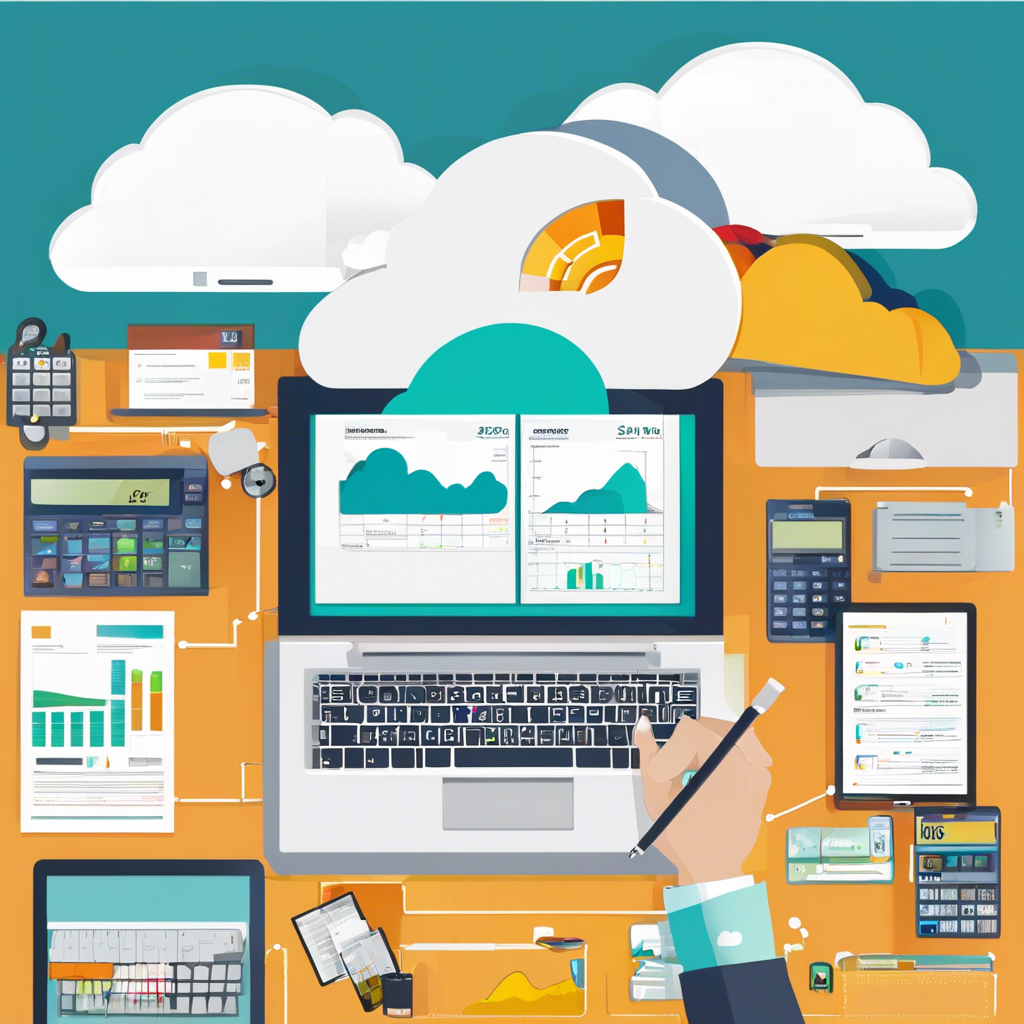
Cloud accounting software has revolutionized the way businesses manage their finances in the digital age. With the shift towards cloud-based solutions, companies can now access their accounting data anytime, anywhere, and collaborate with their team in real-time. This article explores the benefits of cloud accounting software and why it has become an essential tool for modern businesses.
One of the key advantages of cloud accounting software is its accessibility. Users can log in to the platform from any device with an internet connection, making it convenient for business owners who are constantly on the go. This flexibility allows for greater mobility and efficiency in managing financial tasks, such as invoicing, expense tracking, and payroll management.
Additionally, cloud accounting software offers enhanced security features to protect sensitive financial data. Leading providers use encryption techniques to safeguard information from unauthorized access, ensuring the privacy and confidentiality of company records. This level of security is crucial for businesses of all sizes, especially in an era where cyber threats are on the rise.
Another benefit of cloud accounting software is its scalability. As businesses grow and expand, they can easily upgrade their subscription plan to accommodate more users and access advanced features. This scalability eliminates the need for costly software upgrades or installations, saving time and resources for the company.
Furthermore, cloud accounting software enhances collaboration among team members by allowing multiple users to work on the same set of financial data simultaneously. This real-time collaboration feature streamlines communication and improves workflow efficiency, leading to faster decision-making and better financial outcomes for the business.
In terms of cost-effectiveness, cloud accounting software offers a subscription-based pricing model that is affordable for businesses of all sizes. Instead of purchasing expensive software licenses upfront, companies can pay a monthly or annual fee based on their usage, making it a more budget-friendly option for managing finances.
Moreover, cloud accounting software integrates seamlessly with other business applications, such as CRM systems, e-commerce platforms, and project management tools. This integration enables data synchronization across different platforms, eliminating the need for manual data entry and reducing the risk of errors in financial reporting.
The cloud-based nature of accounting software also ensures automatic updates and backups, eliminating the need for manual maintenance tasks. Updates are rolled out regularly by the software provider, ensuring that users always have access to the latest features and security enhancements without any additional effort on their part.
Additionally, cloud accounting software provides valuable insights into business performance through customizable reporting and analytics tools. Users can generate detailed financial reports, track key performance indicators, and gain actionable insights to make informed decisions that drive business growth and profitability.
In conclusion, cloud accounting software offers a range of benefits for modern businesses, including accessibility, security, scalability, collaboration, cost-effectiveness, integration, automatic updates, and valuable insights. By leveraging cloud-based solutions, companies can streamline their financial processes, improve efficiency, and drive strategic decision-making to achieve long-term success in today’s competitive market.